 GOOGLE REVIEWS

The festive season in the UK is marked with merriment, warmth, and of course, the decoration of the best Christmas tree. For many British families, the journey begins with selecting the perfect tree from a local farm or retailer. However, the challenge often arises in safely transporting this tree to one's home without causing damage to the tree or vehicle.
Choosing the Best Christmas Tree
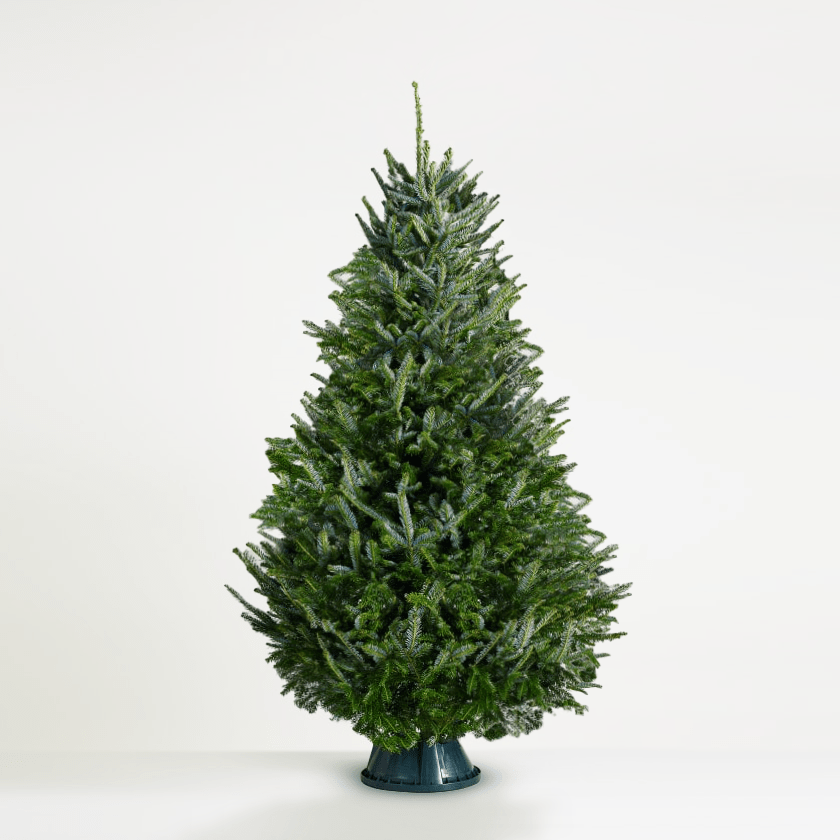
Before pondering over transportation, it's pivotal to select a high-quality tree. The best ones are fresh with resilient needles that don't fall off when touched. Look for a tree with even branches and a rich green hue. Remember, a healthy tree not only looks better but is also easier to transport as it's less prone to shedding needles or having branches snap off.
Preparing Your Vehicle
Roof Racks and Trailers: If you have a roof rack on your car, it can be the ideal place to transport your tree. However, make sure the rack is secure. For larger trees, consider using a trailer. Ensure that the trailer's base is lined with a tarp or an old blanket to prevent sap from the tree from staining it.
Vehicle Interior: If you're planning to transport the tree inside your car, prepare the space. Move the seats back, cover them with an old sheet or tarp, and clear out any sharp objects. Remember, the best Christmas tree is one that arrives home undamaged, so it’s worth taking these precautions.
Wrapping the Tree
Once you've selected your tree, most farms or retailers will offer to net or wrap it for you. This is a step you shouldn't skip. Netting the tree condenses its size, making it easier to manage, and prevents unnecessary damage to the branches. If netting isn't available, use twine or rope to bind the tree, focusing on securing the top, middle, and bottom.
Loading and Securing the Tree
Direction: Always place the tree on your car with the trunk facing the front. This reduces wind damage to the branches while driving.
Roof Transportation: Secure the tree at its bottom, centre, and top using strong rope or bungee cords. Ensure these are tied to the vehicle's roof rack and not just through open windows.
Interior Transportation: If placing the tree inside, make sure it doesn't obstruct the driver's view or movement. The trunk should be towards the front of the vehicle, ideally sticking out between the front seats.
Trailer: When using a trailer, lay the tree flat and secure it using ropes or bungee cords to prevent it from moving.
Driving Tips
Transporting the tree requires some adjustments to your driving:
Speed: Maintain a moderate speed, especially on highways. The increased air pressure at high speeds can damage your tree.
Route: Choose routes that are less bumpy. Avoid off-road paths or roads with significant potholes.
Check Regularly: If you’re traveling a long distance, it's wise to stop occasionally and check that the tree is still securely fastened.
Upon Arrival: Unloading and Acclimatizing
Once you’ve safely transported your tree home, carefully unload it without dragging it. Remember, even the best Christmas tree needs some time to acclimatize. Before decorating, let it stand in a water-filled stand in a cool place for a day. This allows the branches to settle and the tree to absorb some essential hydration, preparing it for the festive days ahead.
Post-Transportation Care
After the effort of safely bringing your tree home, ensuring its longevity and freshness is of utmost importance. Here are some steps to follow after you've set up your tree:
Hydration: The best Christmas tree thrives when adequately hydrated. Immediately after setting it up, provide the tree with plenty of water. Trees can drink up to a gallon of water in the first 24 hours, so be sure to check the water level frequently.
Placement: Ensure your tree is placed away from direct heat sources like radiators, fireplaces, or sunny windows. Excess heat can dry out your tree faster, posing not only a fire risk but also causing premature needle drop.
Trimming: Sometimes, even the finest tree might have some uneven branches or unwanted offshoots. Use sharp pruning shears to give your tree a good shape, trimming any irregular branches or areas that might look too dense.
Safety Measures
Beyond aesthetics and freshness, safety is paramount:
Sturdy Stand: Invest in a high-quality tree stand that can support your tree's weight. It should also hold an adequate amount of water to keep the tree hydrated throughout the festive season.
Check Lights: Before decorating, check any string lights for frayed wires, broken bulbs, or any signs of wear and tear. Always turn off the lights when leaving the house or going to bed.
Keep Away from Exits: While your tree will be a centrepiece, ensure it doesn’t block any primary exits in your home. In case of emergencies, you’ll want clear paths without obstructions.
Environmental Consideration
After the festivities are over, think about the most environmentally friendly way to dispose of your tree:
Recycling: Many local councils in the UK offer Christmas tree recycling services. They often convert trees into wood chips or compost, ensuring they’re put to good use.
Composting: If you have a garden, consider chipping your tree and using it as mulch. Not only is this beneficial for your plants, but it's also an eco-friendly way of disposal.
Tree Donations: Some organizations accept used Christmas trees to create habitats for wildlife. Research local opportunities to see if this is an option in your area.
Embracing the Tradition with Care
Every year, thousands of families in the UK embark on the journey of selecting, transporting, and decorating their ideal Christmas tree. While the tree serves as a symbol of festivity, joy, and tradition, it's essential to approach each step of the process with care and consideration. This ensures that not only do you enjoy the best Christmas tree in its full glory, but you do so safely, responsibly, and with an eye to sustainability.
In summary, the journey of your Christmas tree from the farm or retailer to your living room is a crucial phase in ensuring you truly have the finest Christmas tree experience. Proper preparation, secure transportation, and gentle handling are key to preserving the beauty and health of your festive centrepiece.