 GOOGLE REVIEWS

Every festive season, as families around the world embark on the cherished tradition of picking out the best Christmas tree, a debate emerges: Is it better to opt for a cut tree or choose a pot-grown alternative? At the heart of this discussion lie various considerations, ranging from environmental impacts to the aesthetics and the longevity of the tree. As the search for the best Christmas tree continues, it's worth delving deeper into the merits and demerits of both options.
Cut Christmas Trees: Tradition and Aesthetics
For many, the ritual of selecting and cutting down a Christmas tree from a tree farm or a local vendor is a tradition passed down through generations. The scent of fresh pine in the living room, combined with the nostalgia and memories of Christmases past, make cut trees an appealing choice for countless families.
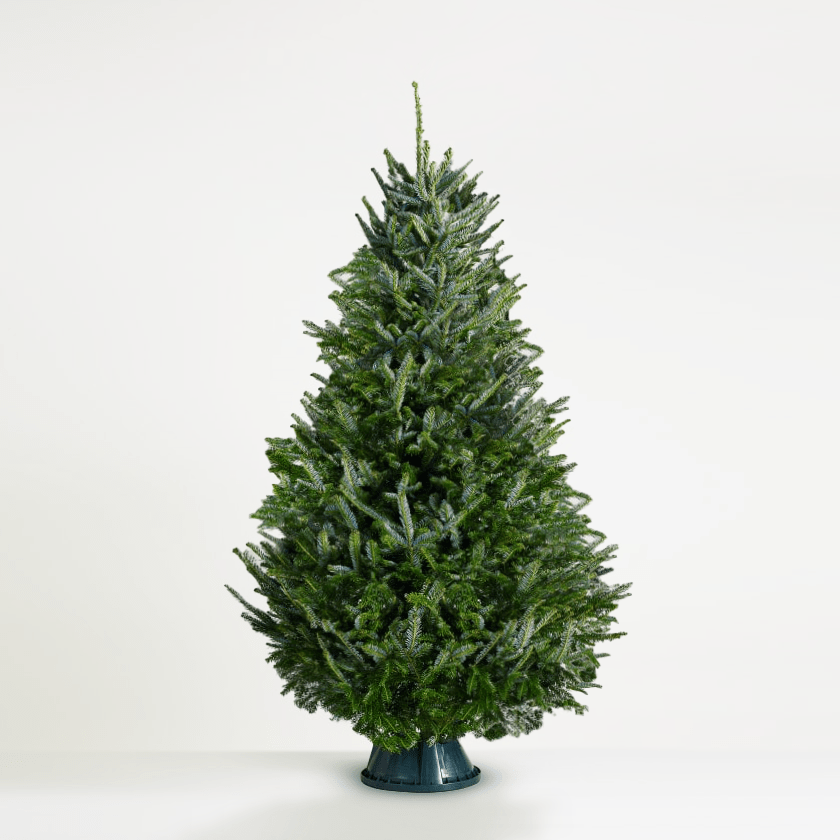
From an aesthetic standpoint, cut trees often offer a fuller, symmetrical appearance. Grown expressly for the purpose of becoming Christmas centrepieces, these trees tend to have dense foliage and a classic Christmas tree silhouette. They are meticulously groomed to achieve that perfect conical shape that many believe to be the best Christmas tree form.
However, the environmental impact of cutting down trees, only for them to be discarded after the holiday season, has raised concerns. Despite the fact that these trees are grown on farms specifically for this purpose, the argument stems from the belief that cutting down a tree for a month's use is wasteful. Though most cut trees are biodegradable and can be mulched or composted, the energy used in their cultivation and transportation remains a point of contention.
Pot-Grown Christmas Trees: Sustainability and Longevity
Pot-grown trees are often hailed as the eco-friendlier alternative. These trees are grown in containers and can be used for Christmas while still retaining their root ball. Post the festivities, they can be replanted, either in a garden or larger pot, and cared for until the next Christmas. This cyclical use appeals to those who seek a sustainable approach to the holiday season.
Choosing a pot-grown tree doesn't mean compromising on the festive spirit. Many of these trees are lush, vibrant, and can easily hold their own against their cut counterparts. Moreover, there's a certain satisfaction in seeing the same tree grace your living room year after year, growing alongside family memories.
However, it's worth noting that maintaining a pot-grown tree requires commitment. Not all trees that are kept indoors for several weeks will successfully transition back outdoors. Their care needs – watering, protecting against pests and diseases, and ensuring they're not exposed to extreme temperature variations – can be demanding. Some argue that while the idea of a pot-grown tree seems sustainable, the reality might not always align, especially if the tree doesn't survive the subsequent replanting.
Balancing Aesthetics, Tradition, and Sustainability
For many, the best Christmas tree is synonymous with tradition, be it the annual trip to the tree farm or the joy of nurturing a potted tree year-round. For others, the finest tree is one that aligns with their environmental beliefs. As with many debates, there's no definitive right or wrong answer. The choice between a cut or pot-grown tree depends on individual preferences, values, and circumstances.
Practical Considerations in the Decision-Making Process
Beyond the environmental and aesthetic dimensions, there are practical factors to consider when selecting the best Christmas tree for one's home.
For urban dwellers with limited outdoor space, a cut tree might be more feasible. They might not have the garden space or the right conditions to replant and nurture a pot-grown tree throughout the year. Furthermore, transporting a heavy, pot-grown tree might pose challenges for those without personal vehicles, making the lighter, cut trees a more convenient option.
On the other hand, households with ample outdoor spaces might find it rewarding to care for a pot-grown tree. Watching the tree thrive throughout the year and being part of its growth journey can add an extra layer of sentiment to the annual festivities. There's also the economic aspect to consider; investing in a pot-grown tree might have a higher initial cost, but it could prove more economical in the long run if the tree is reused for several years.
Impact on Local Economies
Another layer to this debate revolves around local economies and the Christmas tree industry. Cut tree farms create seasonal jobs, boost local businesses, and play a pivotal role in some communities' economic fabric. Purchasing a tree from these farms supports local farmers and can help sustain communities that rely heavily on this seasonal business.
Conversely, the market for pot-grown trees is expanding, and supporting this industry can also have positive economic implications. Nurseries and garden centres that offer pot-grown trees can benefit from year-round sales, as opposed to just the seasonal spike, ensuring more consistent revenue streams.
A Personal Choice Reflecting Broader Values
At its core, the choice between a cut and pot-grown tree is deeply personal, reflecting a blend of individual values, practical considerations, and familial traditions. For some, the scent of a freshly cut tree, reminiscent of childhood Christmases, is irreplaceable. For others, the sustainability and continuity offered by a pot-grown tree, representing growth and renewal, align more closely with their values.
However, one thing remains clear: the best Christmas tree, be it cut or pot-grown, is the one that fills the home with joy, warmth, and the spirit of the season. As families around the UK make their selections each year, it's heartening to know that this age-old tradition, in whichever form it takes, continues to be a cherished part of the holiday celebrations.